Research on Digital Youth Surveillance
As part of the No Data About Us Without Us Fellowship with the Edgelands Institute, SEAT contributed to research that laid the foundation for our sustained collaborative advocacy against digital youth surveillance.
Kitchen Table Puppet Show
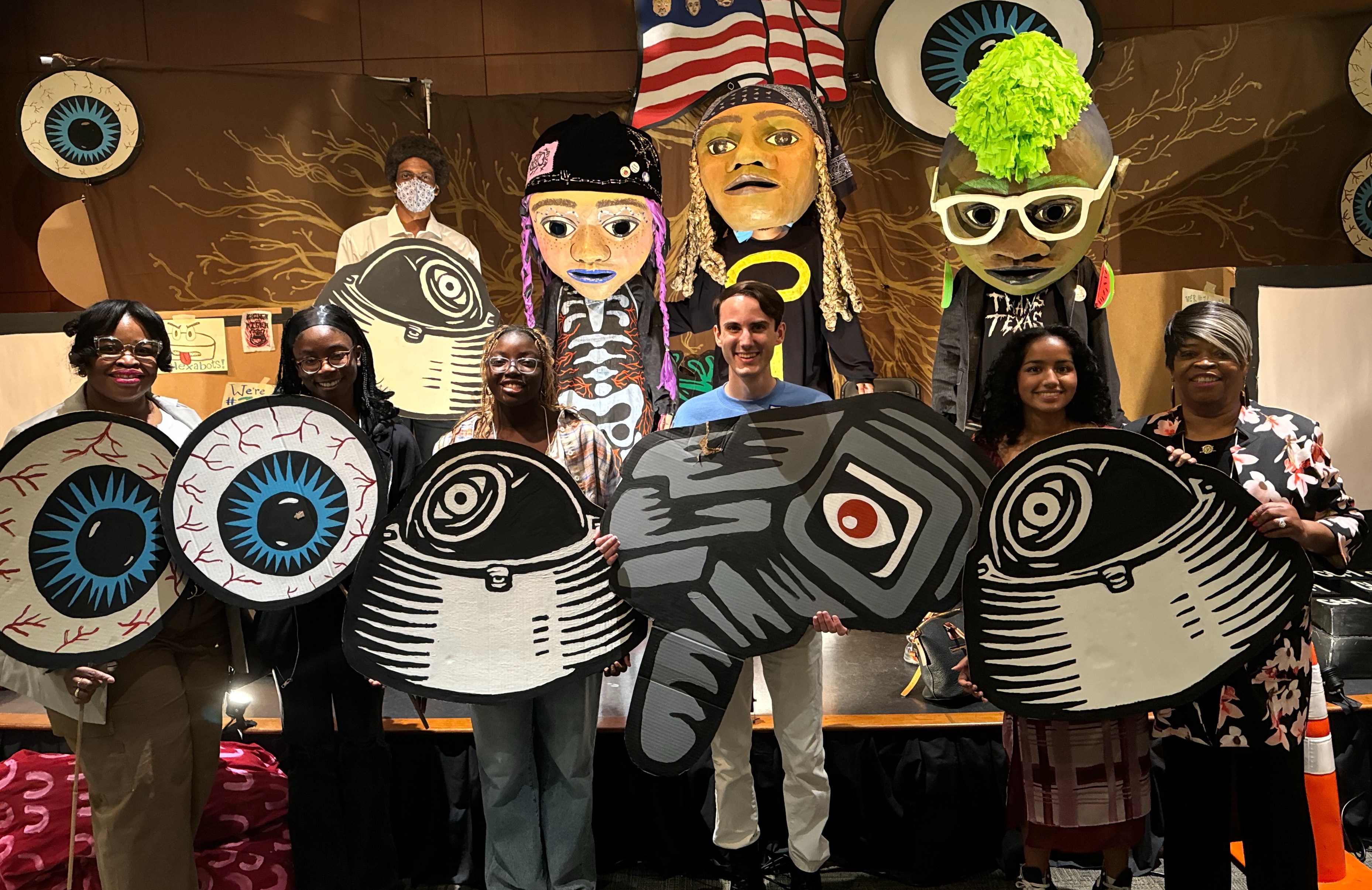
The research study inspired the creation of a community-produced giant puppet show with renowned Texas-based artist Kill Joy to illustrate student experiences with youth digital surveillance. Featuring SEAT storylines and student actors, the show premiered in Chicago, Houston, and at the Data 4 Good: Digital Liberation Summit in Minneapolis.
Play the Game: Access-Denied.org
SEAT unveiled a digital game with the Edgelands Institute to demonstrate what it means to be a student when web filters take center-stage in censored school systems, prohibiting access to websites with resources on LGBTQ+ identity, menstruation, pregnancy, and more. The website at Access-Denied.org also has a rendition of SEAT's Resource Hub.
First Amendment Litigation
- SEAT v. Paxton (2024) against Texas' law requiring age verification, parental consent, and control for social media use. The District Court ruled in SEAT's favor, and the case remains pending in the Fifth Circuit.
- SEAT v. Paxton (2025) against Texas' law requiring age verification and parental consent for using digital app stores. The District Court ruled in SEAT's favor, and the case remains pending in the Fifth Circuit and on the Supreme Court's shadow docket.
Legislative Engagement
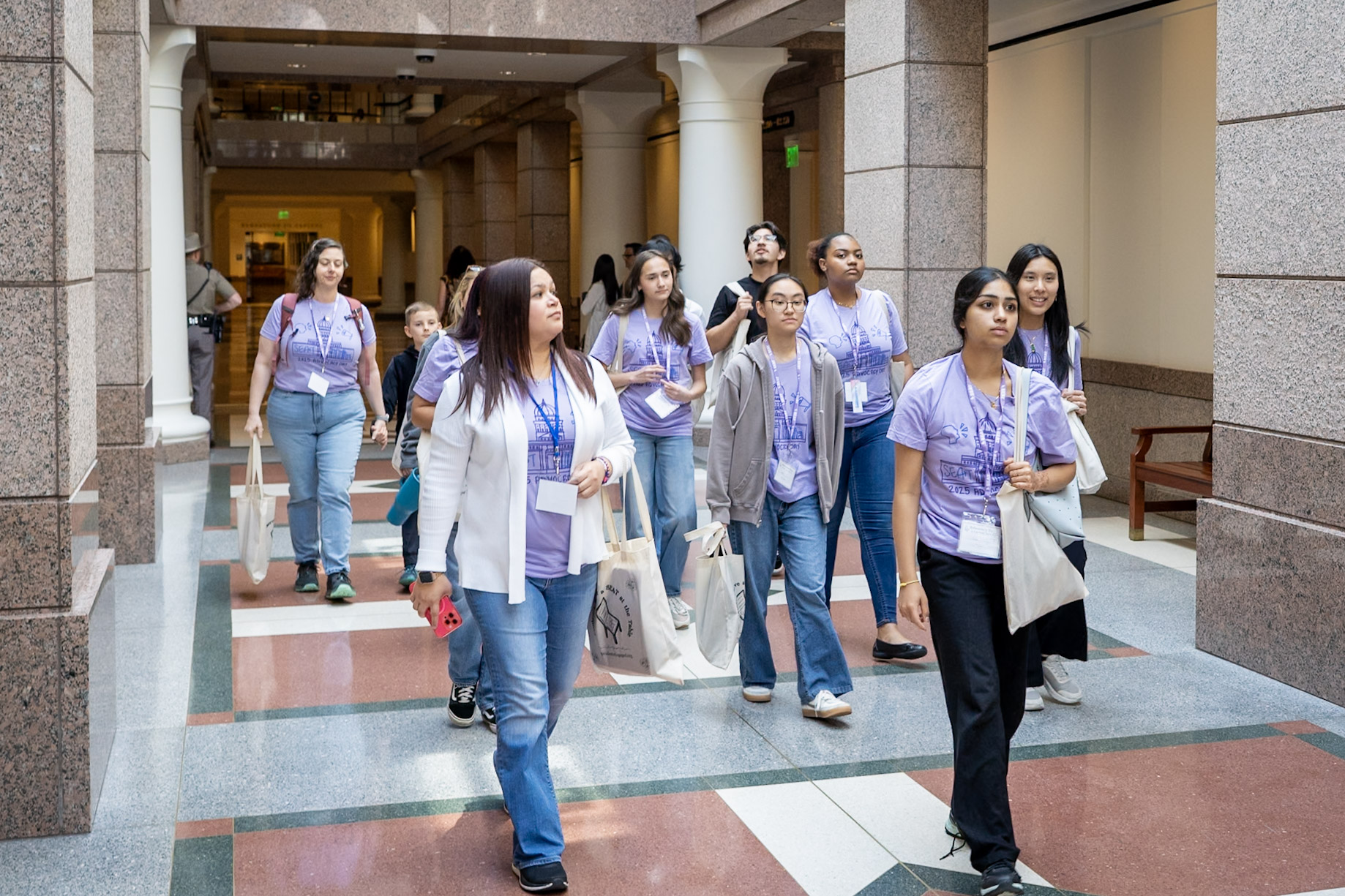
SEAT organized student testimony, partnered with youth content creators, and engaged in legislative negotiations with state lawmakers to keep House Bill 186 from reaching the Senate floor. This bill would have made it a "deceptive trade practice" for digital service platforms to allow users under the age of 18. This bill would fail the very same tests other state laws faced when SEAT sued them in federal courts. The bill's language is extremely vague, overbroad, and lacking a compelling state interest. Education and informational apps – like Canvas, Indeed, Quizlet, or Wikipedia – would be included in the prohibitions.
If passed into law, the bill would have limited opportunities for youth, burdened adults with age verification, and prevented "training wheels" for responsible digital citizenship and media literacy during adolescence when schools and parents could facilitate meaningful collaborations with youth. The bill would also not have provided an effective solution to many of the issues we face, such as the youth mental health crisis, data privacy, rampant disinformation, and accountability of Big Tech industry.
This was not the first time HB 186 was introduced. The bill did not receive attention the first time, but if it was not for SEAT, this bill would likely have been sent to the Governor's desk because it was placed on the Senate's Intent Calendar. While the bill passed the Texas House with bipartisan – but ill-informed – support from lawmakers, SEAT galvanized bipartisan opposition in the Texas Senate.